
Mount Kenya
glacier-carved valleys, giant groundsels and africa's second-highest mountain
About Mount Kenya
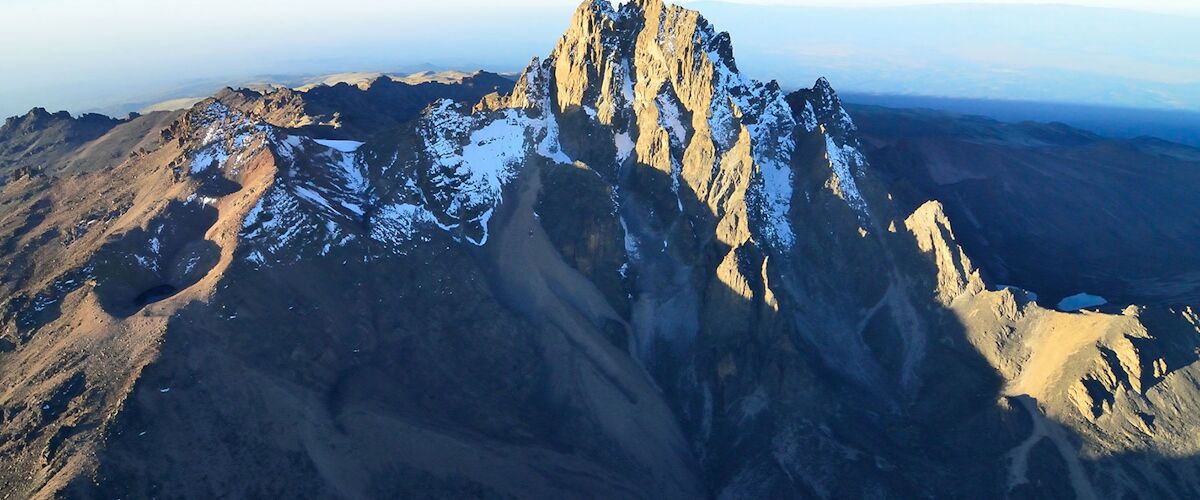
Mount Kenya is an extinct volcano straddling the equator, and at 5,199 metres its rock summit, Batian, is the second-highest point in Africa. The Kikuyu call it Kirinyaga and traditionally regarded it as the home of their god, Ngai. Most trekkers aim for Point Lenana, at 4,985 metres, reachable on foot without ropes, for a dawn view over the twin peaks and shrinking glaciers.
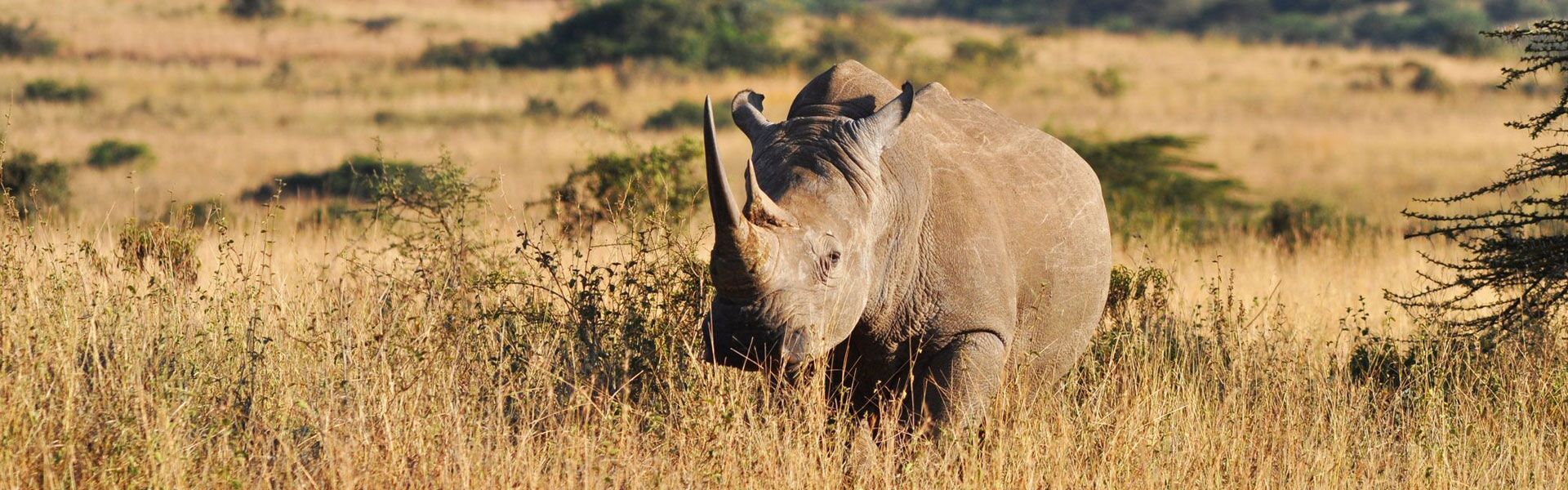
The climb passes through distinct worlds. Farms give way to cedar and bamboo forest where elephants and buffalo leave their tracks, then to moorland of giant heather and tussock grass. Higher up, giant groundsels and lobelias stand taller than you, rock hyraxes sun themselves by the huts, and tarns lie black and still under the cliffs. Sirimon climbs from the dry north, Chogoria from the east past the Gorges Valley, and Naro Moru takes the steep, direct line.
Allow four to six days for Lenana so your body can adjust to the altitude. The clearest weather comes in January and February and from late June to early October; the rains of April, May and November bring mud and cloud. The mountain is a few hours' drive north of Nairobi, close to Nanyuki, so a trek fits neatly alongside game drives in Laikipia, Ol Pejeta or Samburu.