

Serengeti
endless plains, granite kopjes and the migration's year-round loop
About Serengeti
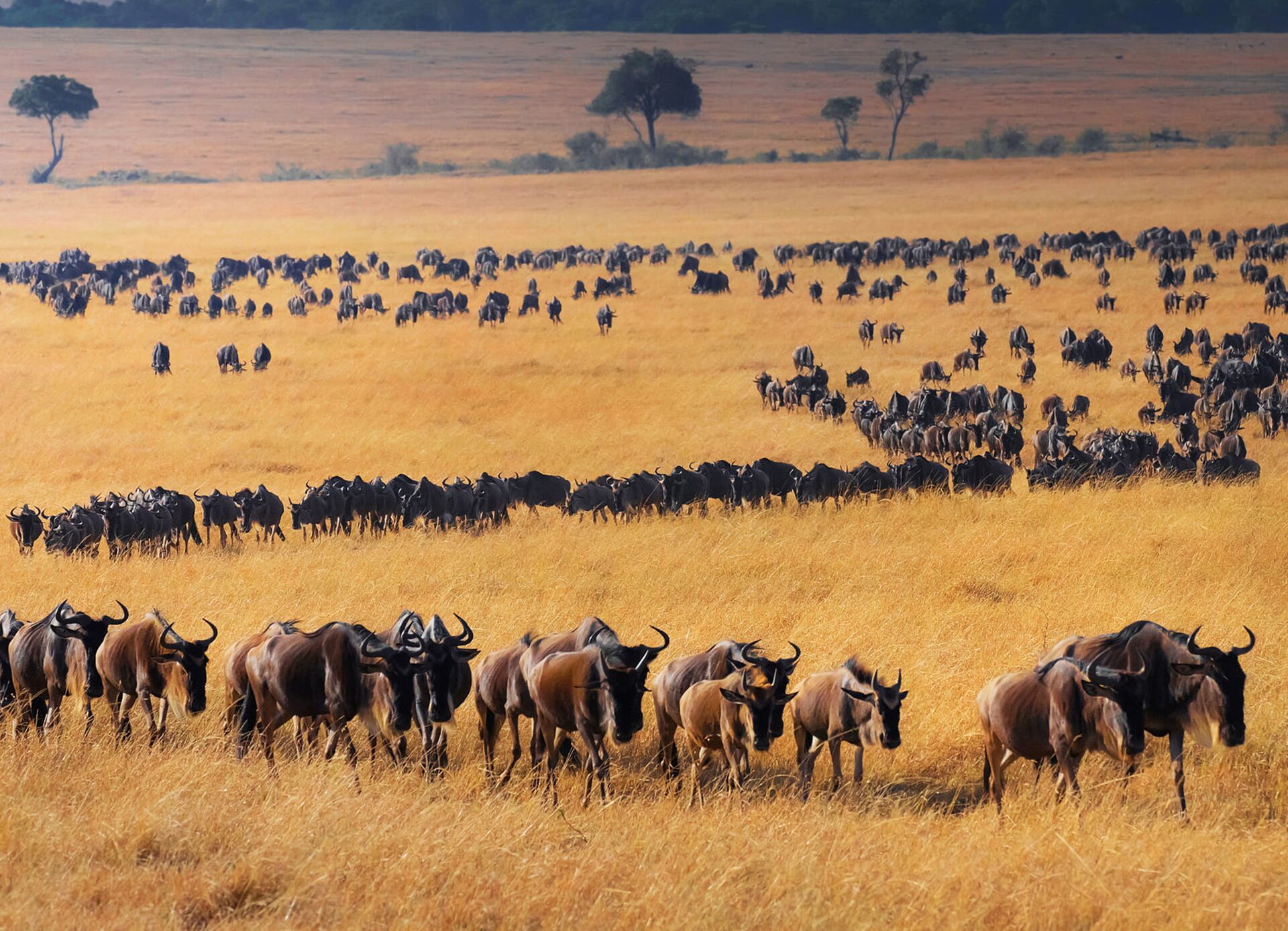
The Serengeti is Tanzania's oldest and best-known national park, a vast spread of short-grass plain, acacia woodland and granite outcrops called kopjes, running north to the Kenyan border where it meets the Maasai Mara. Its name comes from the Maa word siringet, the place where the land runs on forever, and out on the southern plains, with nothing on the horizon but wildebeest, you understand why.
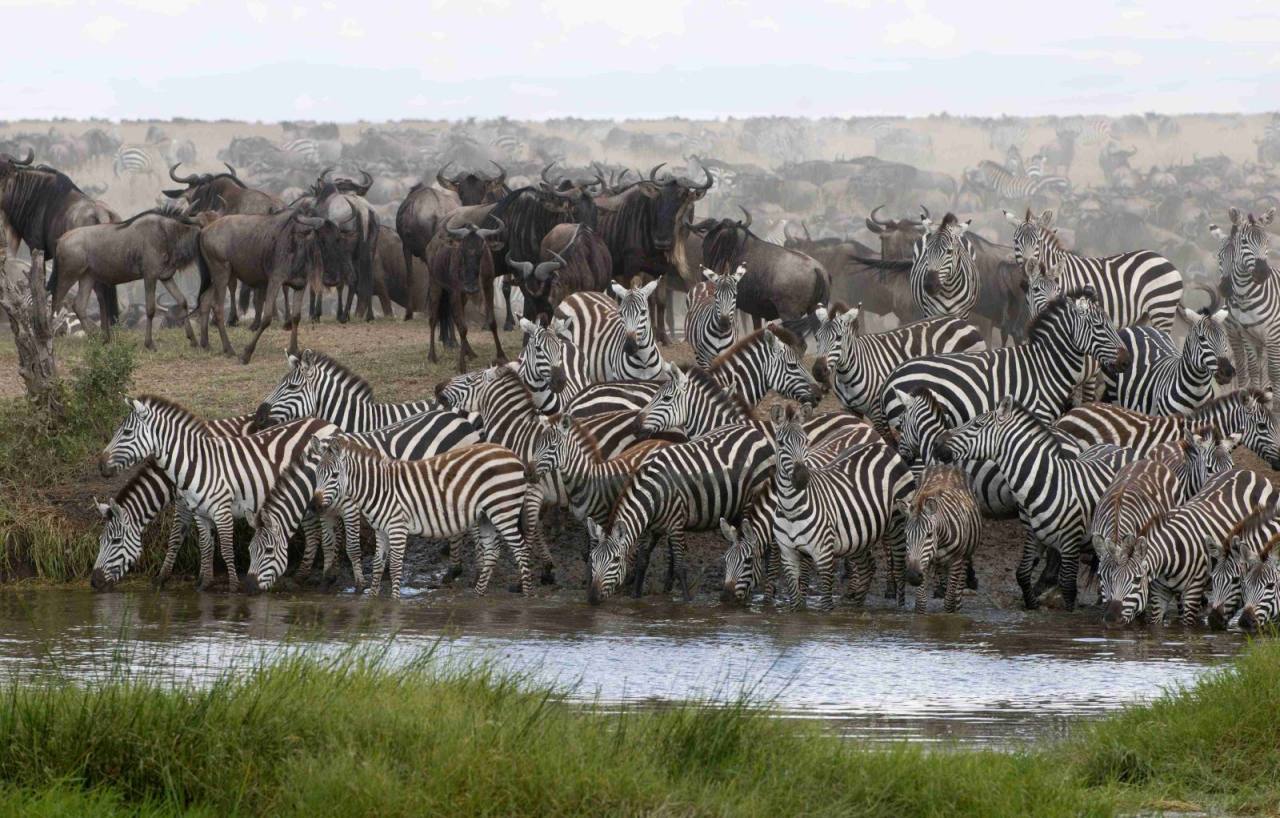
Around one and a half million wildebeest, with hundreds of thousands of zebras and gazelles, move through the ecosystem in a loop that never really stops. They calve on the southern plains around Ndutu early in the year, drift west towards the Grumeti River in the middle months, and reach the Mara River in the north from about July. Around Seronera, leopards stretch out on sausage-tree branches and lions use the kopjes as lookouts all year, and balloons lift off at dawn.
Calving, from late January to March, brings newborns and intense predator action; July to October is the season for river crossings. The long rains of April and May turn the black-cotton soil to mud. Fly between airstrips to save time, or drive in from Arusha through Ngorongoro. From Kenya, cross overland at Isebania-Sirari or fly via Migori to Kogatende. Tanzania needs its own e-visa, separate from the East Africa Tourist Visa.
Where it is
Safaris through Serengeti
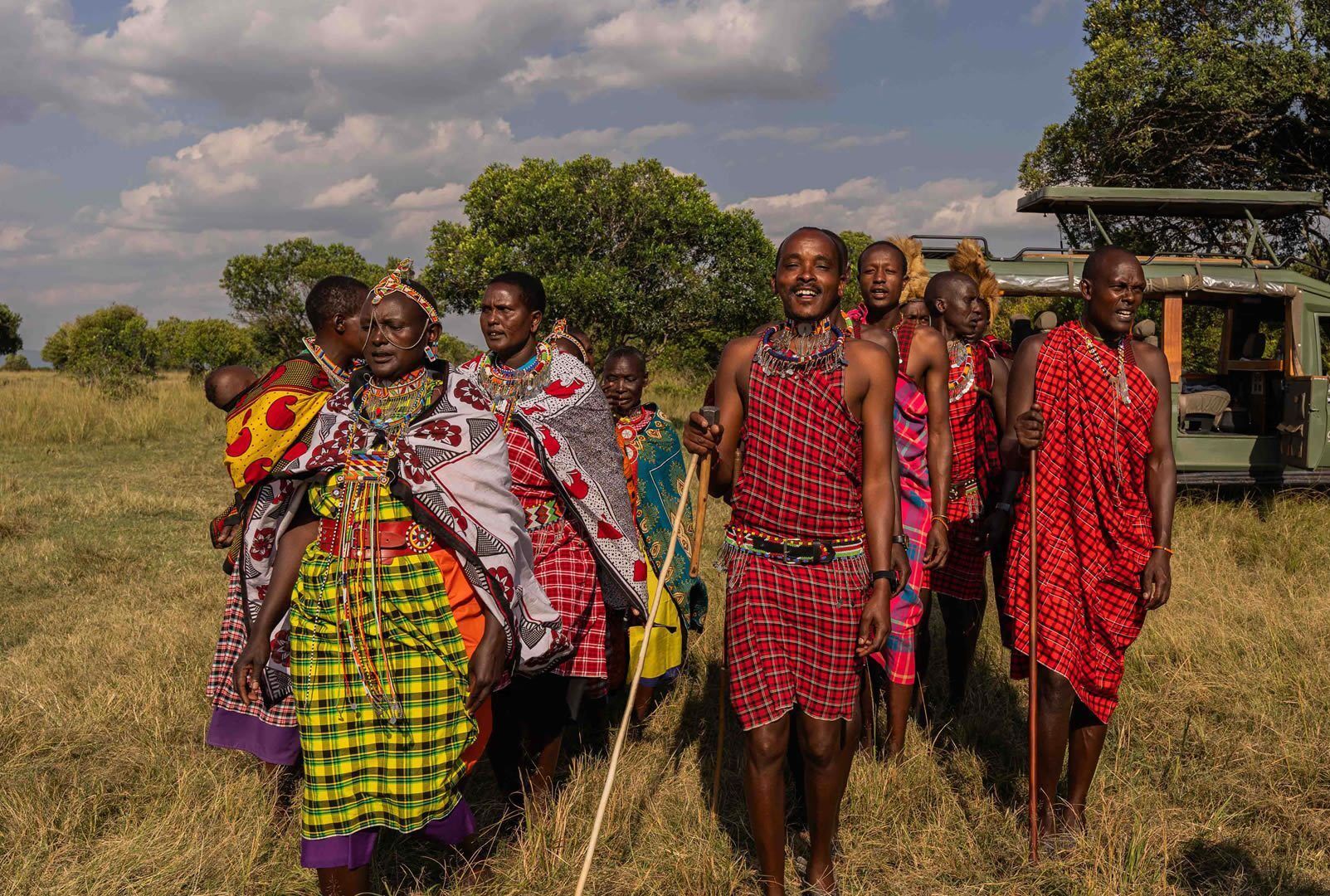 9 days
9 Days Kenya & Tanzania Women's Safari
Women rangers, beadwork cooperatives and big cats, travelling in an all-women group
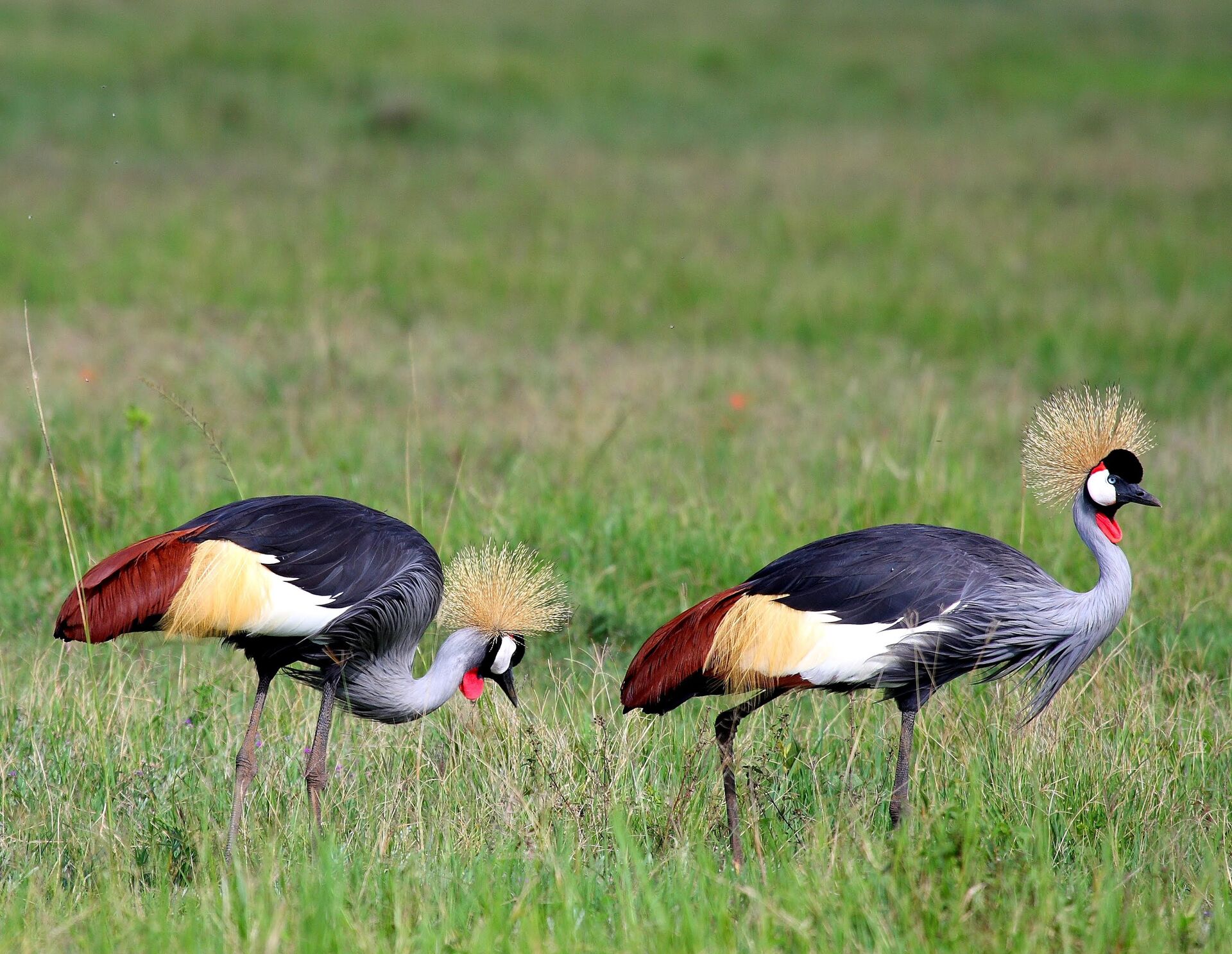 13 days
13 Days Rift Valley Lakes & Serengeti Birding Safari
A specialist-guided run from Rift Valley lakes to Tarangire's baobabs, chasing 400+ species
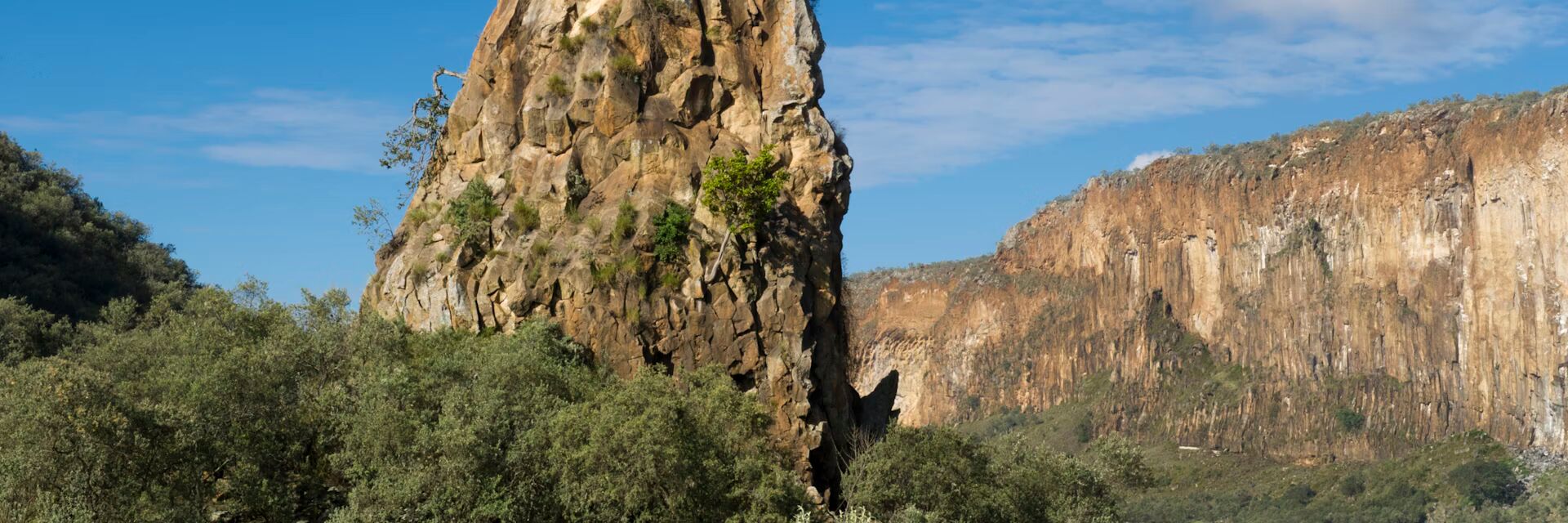 10 days
10 Days Hell's Gate, Lake Natron & Serengeti Adventure
Cycle Hell's Gate, scramble a gorge and summit Ol Doinyo Lengai by headtorch for sunrise
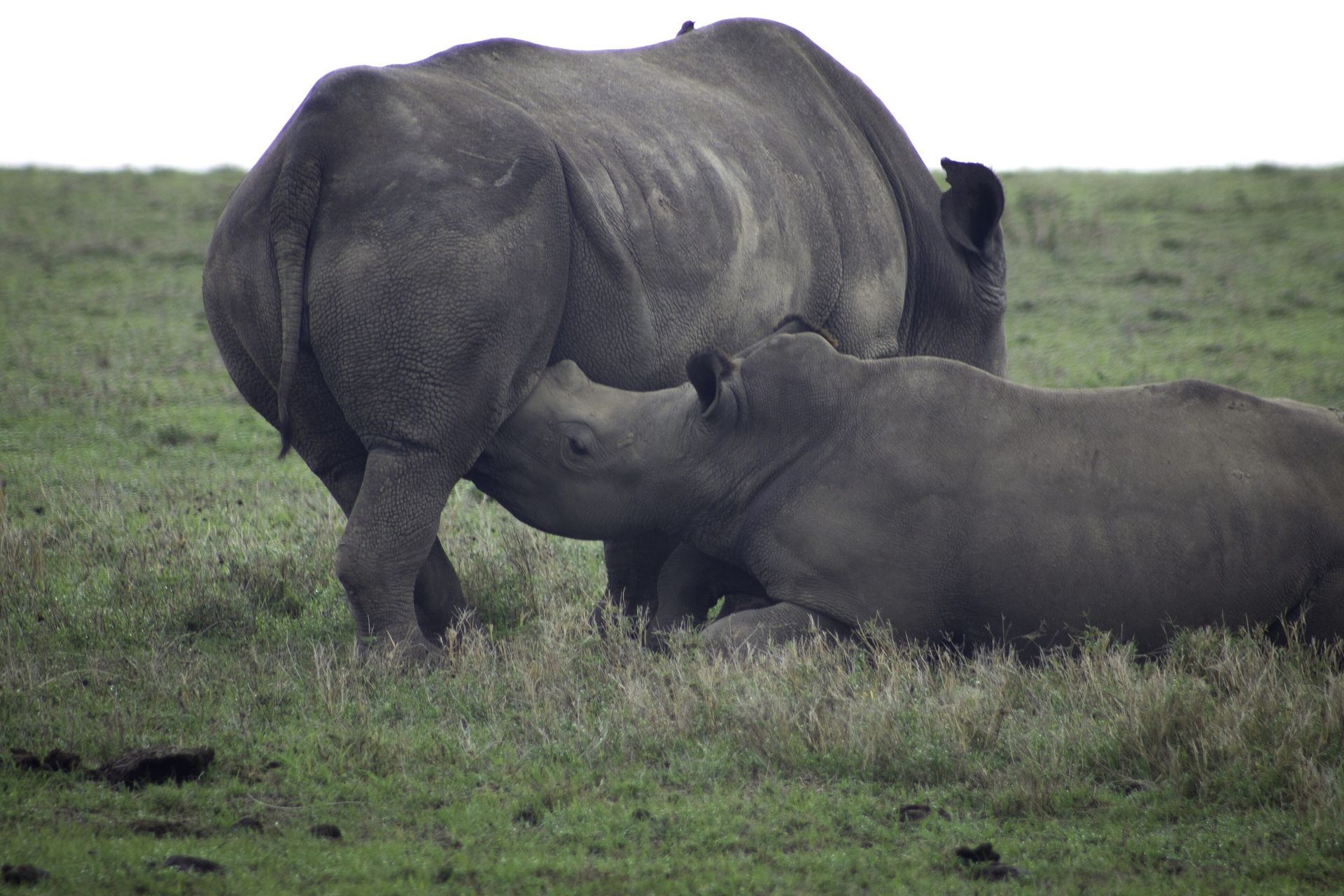 11 days
11 Days Ol Pejeta, Lewa & Serengeti Rhino Safari
Track black rhino with rangers, meet the K9 unit and see conservation from the inside